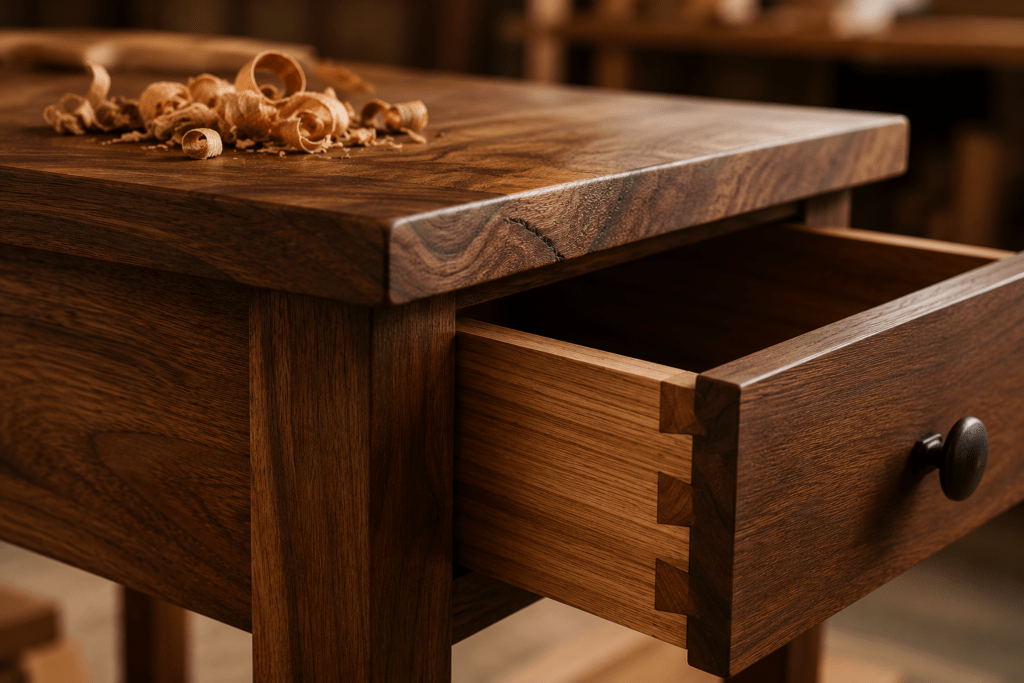
An Amish dining table is more than just a place to eat. It’s where birthdays are celebrated, homework gets finished, holidays are shared, and conversations continue long after dinner is over.
Choosing the right dining table isn’t just about finding one you like. The size, shape, and style all play an important role in how your dining room looks and functions.
Here’s what to consider before you buy.
Start by Measuring Your Space
Before looking at table styles, measure your dining room.
A good rule of thumb is to leave 36 to 48 inches of space between the edge of the table and the nearest wall or piece of furniture. This gives everyone enough room to comfortably pull out chairs and move around the table.
If your room is on the smaller side, choosing the right table shape can make the space feel much more open.
How Many People Do You Need to Seat?
Think about how your family uses the table every day, along with how often you entertain guests.
As a general guide:
-
- 48-inch round table: Seats 4 people
- 60-inch round table: Seats 6 people
- 60 to 72-inch rectangular table: Seats 6 people
- 84 to 96-inch rectangular table: Seats 8 people
- 108 inches or longer: Seats 10 or more people
If you regularly host family gatherings, an expandable dining table can provide the flexibility to accommodate guests without taking up extra space every day.
Round Tables
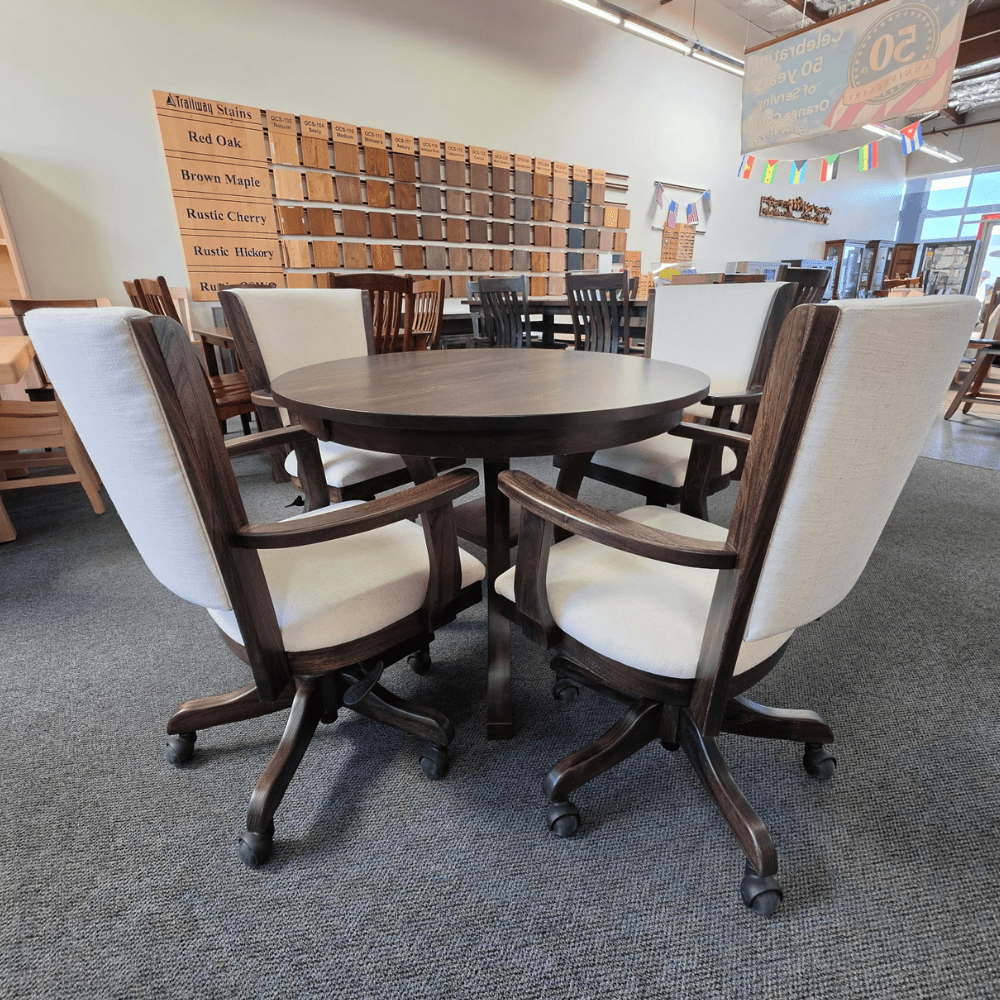
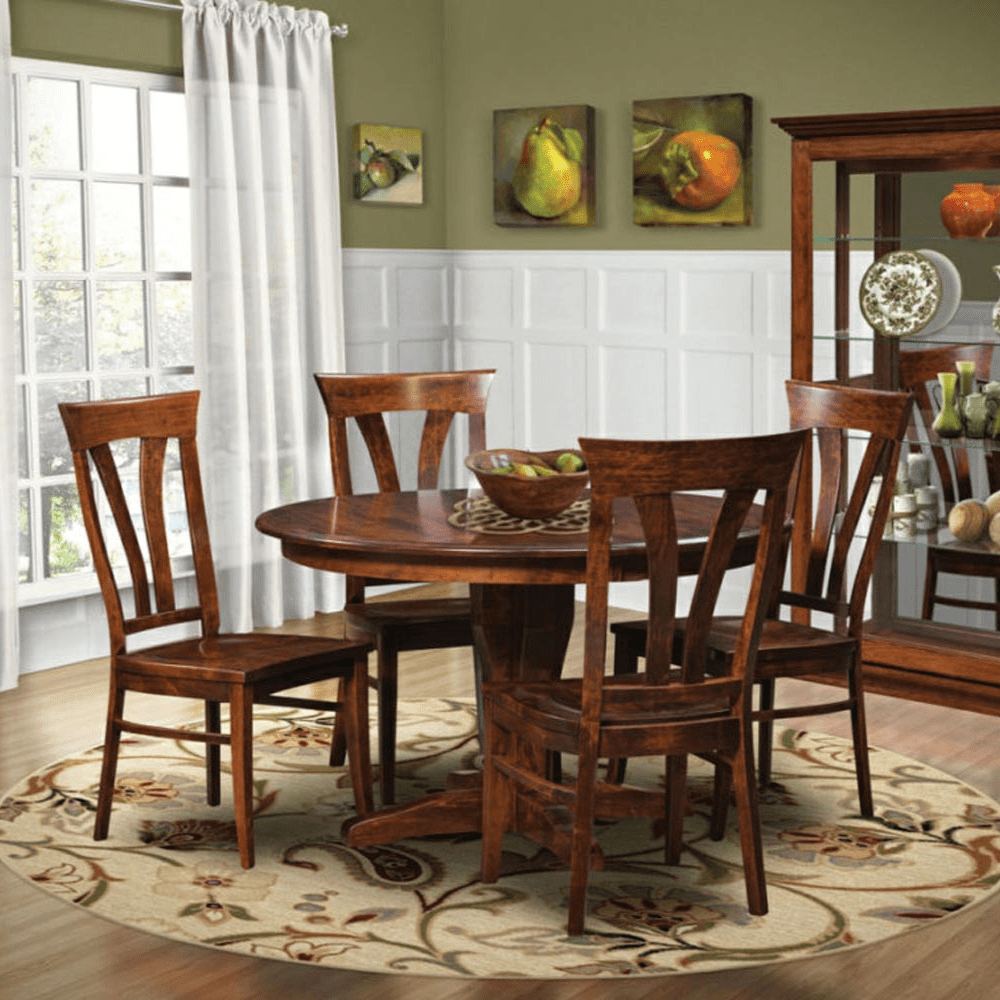
Round tables encourage conversation because everyone can easily see one another. They’re an excellent choice for smaller dining rooms and square spaces.
Rectangular Tables
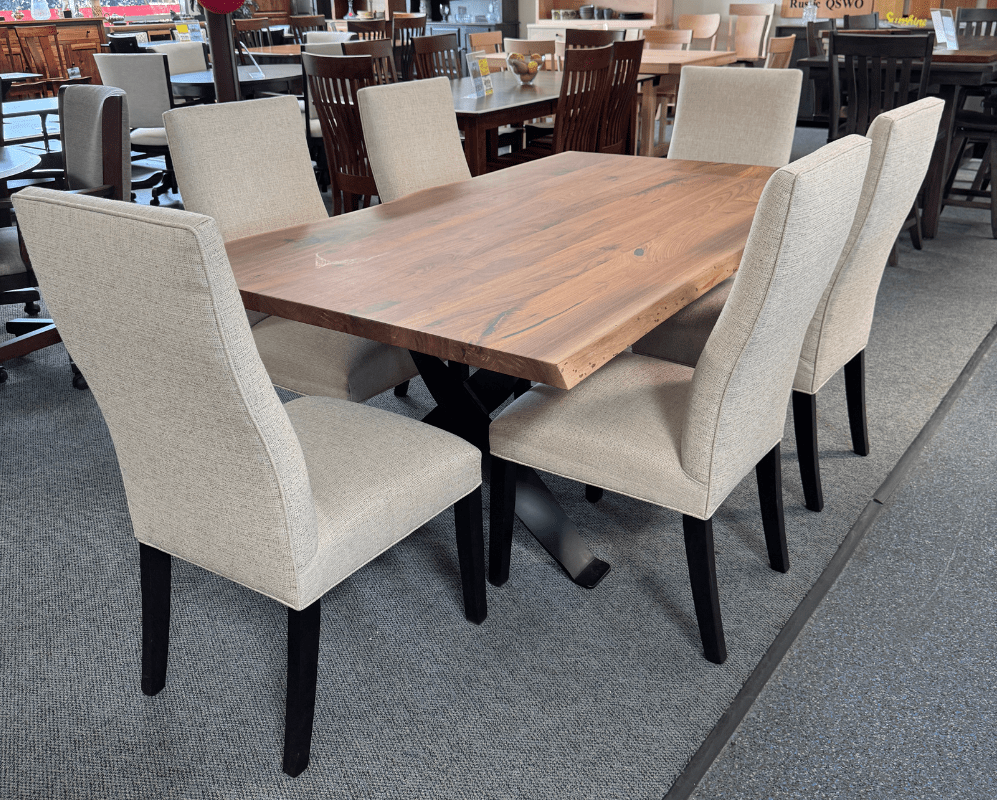
Rectangular tables are the most popular option because they work well in most dining rooms and provide the greatest seating capacity.

Oval Tables
Oval tables offer many of the benefits of rectangular tables while creating a softer look. Their rounded edges can also make it easier to move around in tighter spaces.

Think Beyond Today
Your solid wood dining table should fit your life not only today, but years from now.
Consider questions like:
-
- Will your family grow?
- Do you host holiday dinners?
- Do grandchildren visit often?
- Would extension leaves make entertaining easier?
Choosing a table that adapts to your lifestyle can save you from replacing it later.

Why Solid Wood Makes a Difference
A dining table is one of the hardest-working pieces of furniture in your home.
Solid hardwood furniture is designed to stand up to everyday life while developing character over time. Unlike mass-produced furniture made with veneers or engineered materials, quality solid wood tables can be refinished if needed and are built to last for generations.
Every piece also features unique wood grain, making each table one of a kind.
See the Difference in Person
While measurements and photos are helpful, nothing compares to seeing and experiencing a dining table in person.
At Stewart Roth Furniture, you’ll find handcrafted Amish dining furniture available in a variety of sizes, wood species, finishes, and styles. Whether you’re furnishing a breakfast nook or creating a space for large family gatherings, our team can help you find a table that fits both your home and your lifestyle.
A dining table is where some of life’s best memories are made. Choosing the right one means you’ll enjoy those moments for years to come.
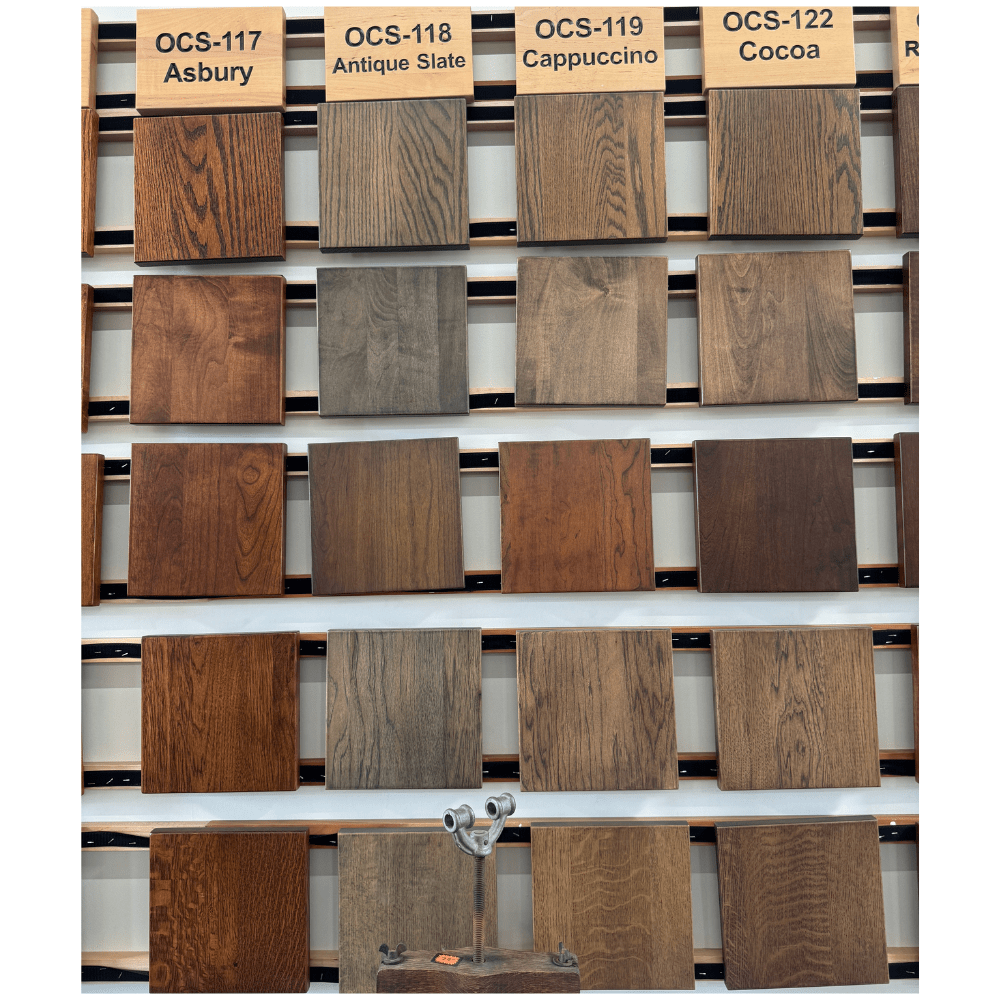

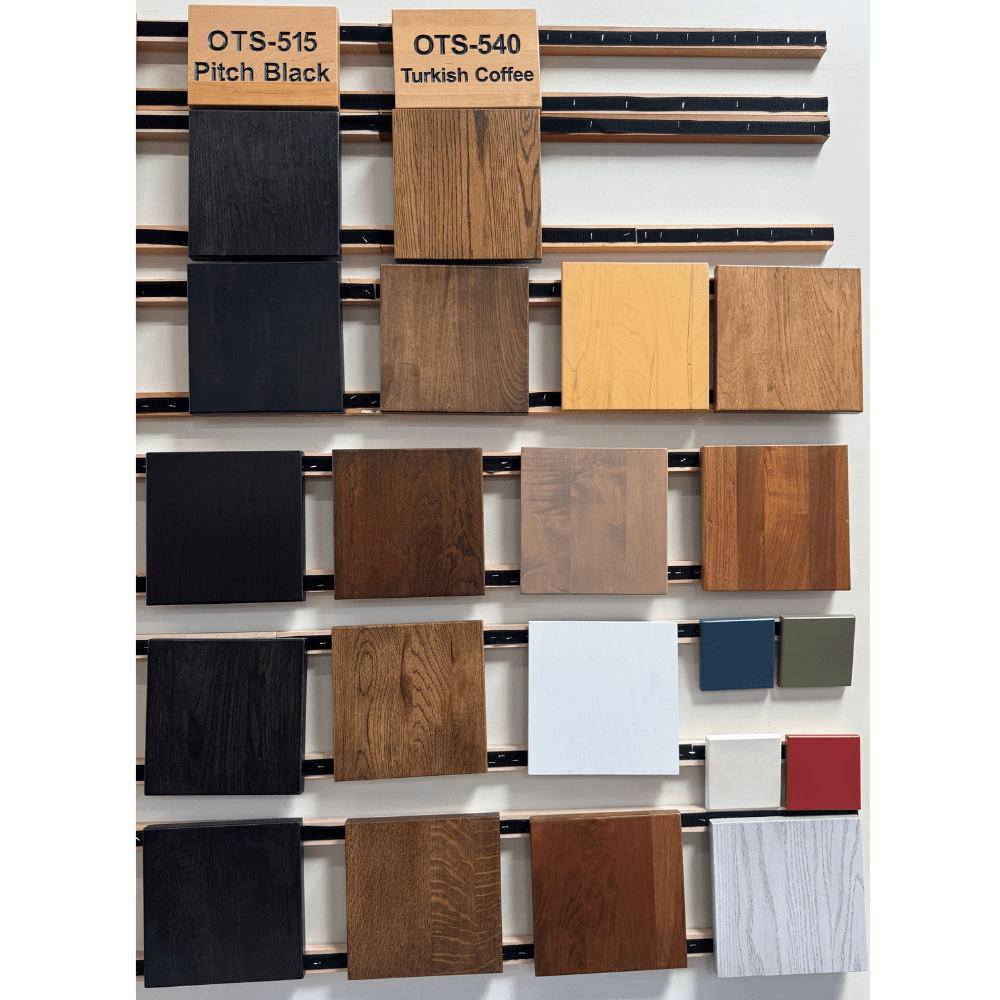
Visit our Fountain Valley showroom to compare dining table sizes, explore different wood species and finishes, and experience the craftsmanship of Amish-built furniture in person. Our team is happy to help you find the perfect table for your home.
Frequently Asked Questions
How much space should I leave around a dining table?
Plan for 36–48 inches between the table and walls or other furniture so chairs can be pulled out comfortably.
Is a round or rectangular dining table better?
Round tables are ideal for smaller spaces and encourage conversation, while rectangular tables typically seat more people and work well in longer rooms.
Are extendable dining tables worth it?
If you regularly host family gatherings or holidays, an extendable table gives you flexibility without taking up extra space every day.